Paperweight Community Goods · New Bedford, Massachusetts

Independent clothing printed with purpose
New Release
LadyPantherRaglan
A unisex raglan T shirt honoring the women whose leadership, artwork, organizing, and community programs helped define the Black Panther Party.
Women / Leadership / Community
Women Were Not At The Edge Of The Movement. They Were At Its Center.
Public memory often reduces the Black Panther Party to a masculine image of berets, leather jackets, and armed patrols. Historian Ashley Farmer’s research offers a fuller picture: by the early 1970s, women made up roughly two-thirds of the organization and shaped its political direction, visual language, and daily work.
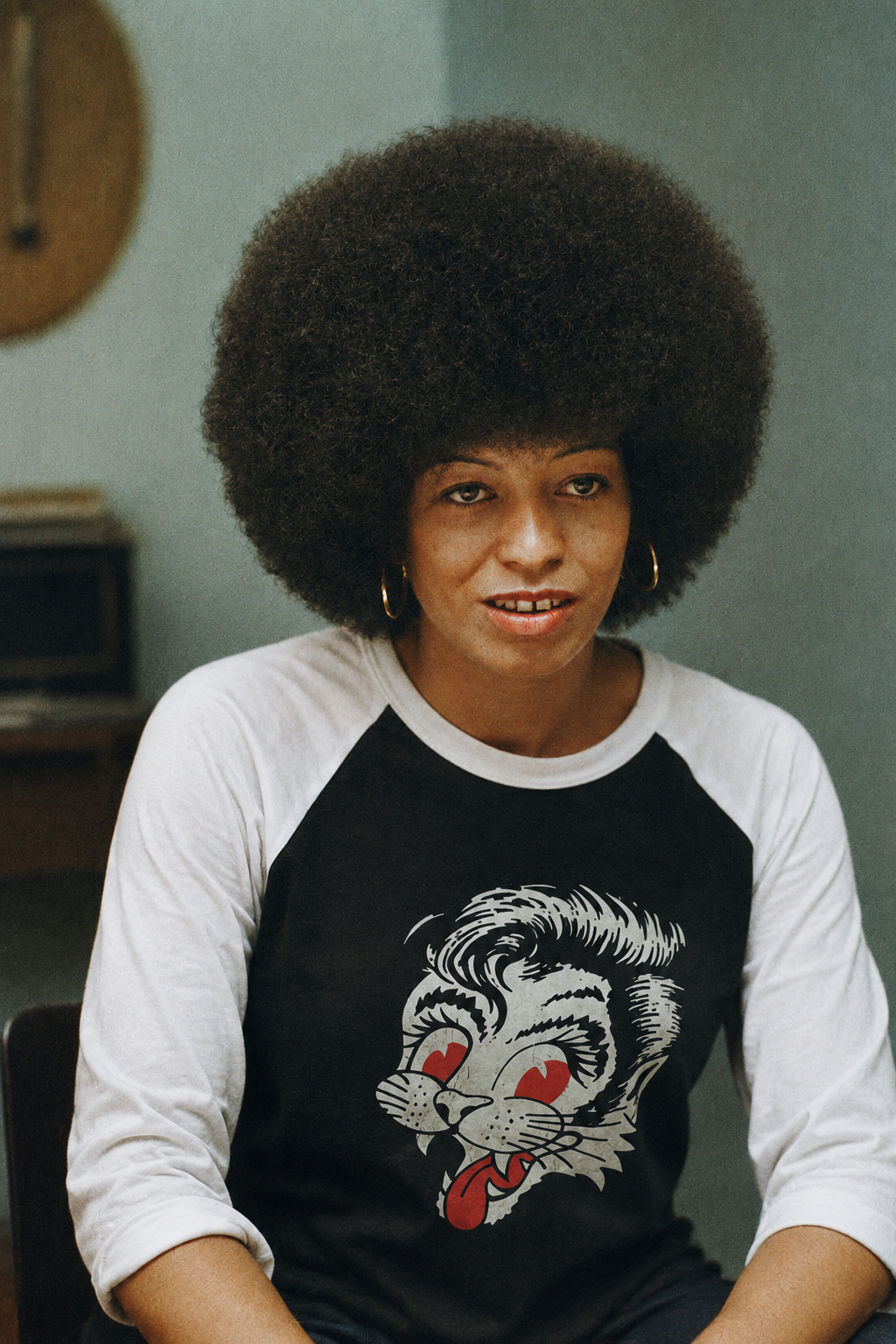
They were organizers, artists, educators, strategists, writers, and leaders. Their work changed not only how the Party operated, but also how revolutionary power could be pictured and understood.
Art Made Leadership Visible
Women artists helped create the revolutionary imagery printed in The Black Panther newspaper. Tarika Lewis drew women as independent political actors and leaders, expanding the public idea of who could represent revolutionary strength.

Later, Gayle Dickson’s work reflected the Party’s growing focus on survival, care, and local community life. These images did more than illustrate the newspaper—they helped define the movement’s public identity.
Community Care Was Political Work
Women organized food distribution, health programs, housing support, education, and political classes. Their leadership joined resistance to practical service, making community care part of the movement’s revolutionary program rather than a secondary task.
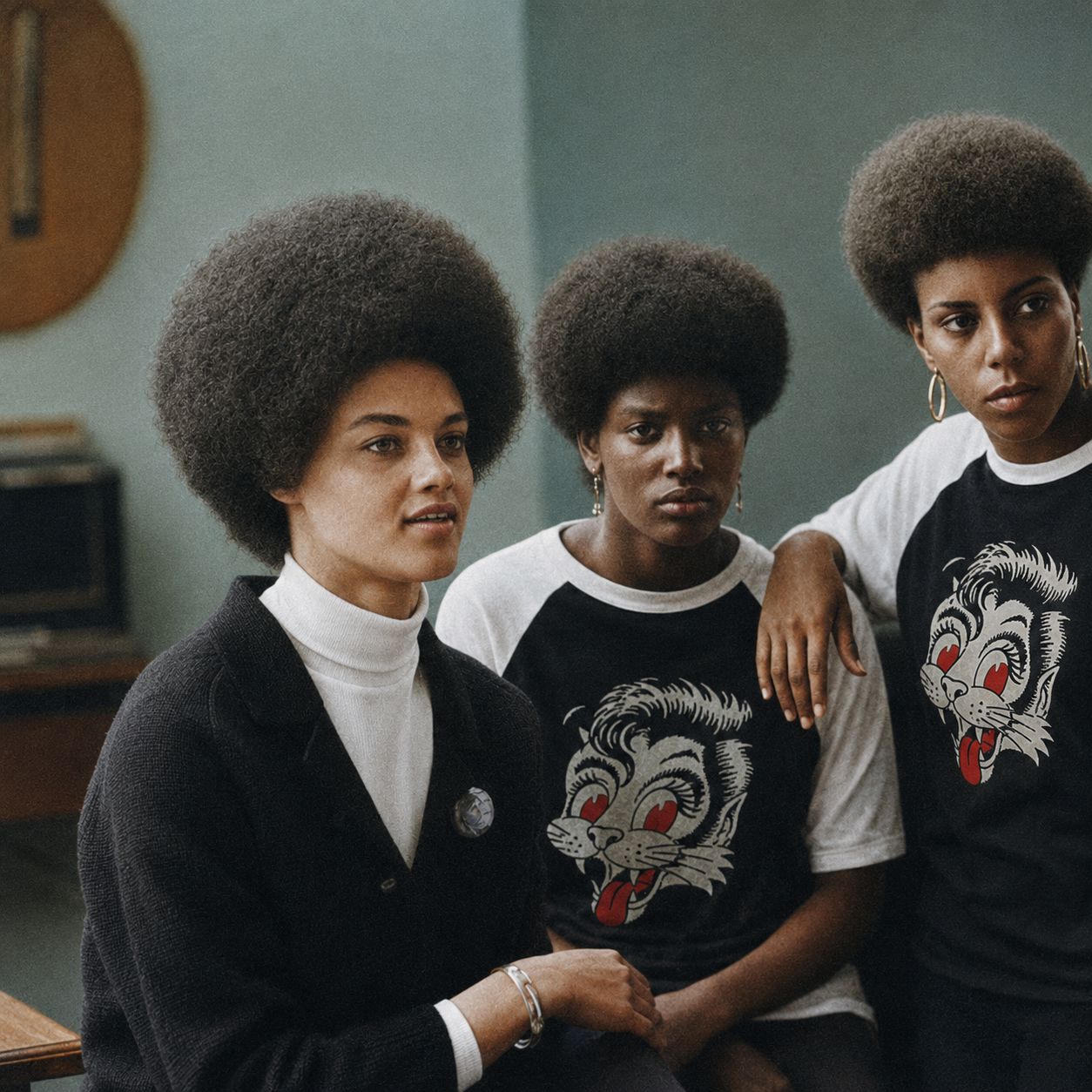
Figures including Ericka Huggins, Elaine Brown, Kathleen Cleaver, and many less-publicized organizers helped lead schools, clinics, campaigns, legal work, publications, and neighborhood programs.

Their work challenged both racial injustice and restrictive assumptions about women’s political roles. Community care was not separate from political struggle. It was one of the clearest ways the movement made its ideas visible in everyday life.
Leadership was public, practical, artistic, political, and deeply collective.
Leadership Was Collective
Farmer’s work shows that women did more than participate in an existing organization. They helped transform what revolutionary leadership looked like.
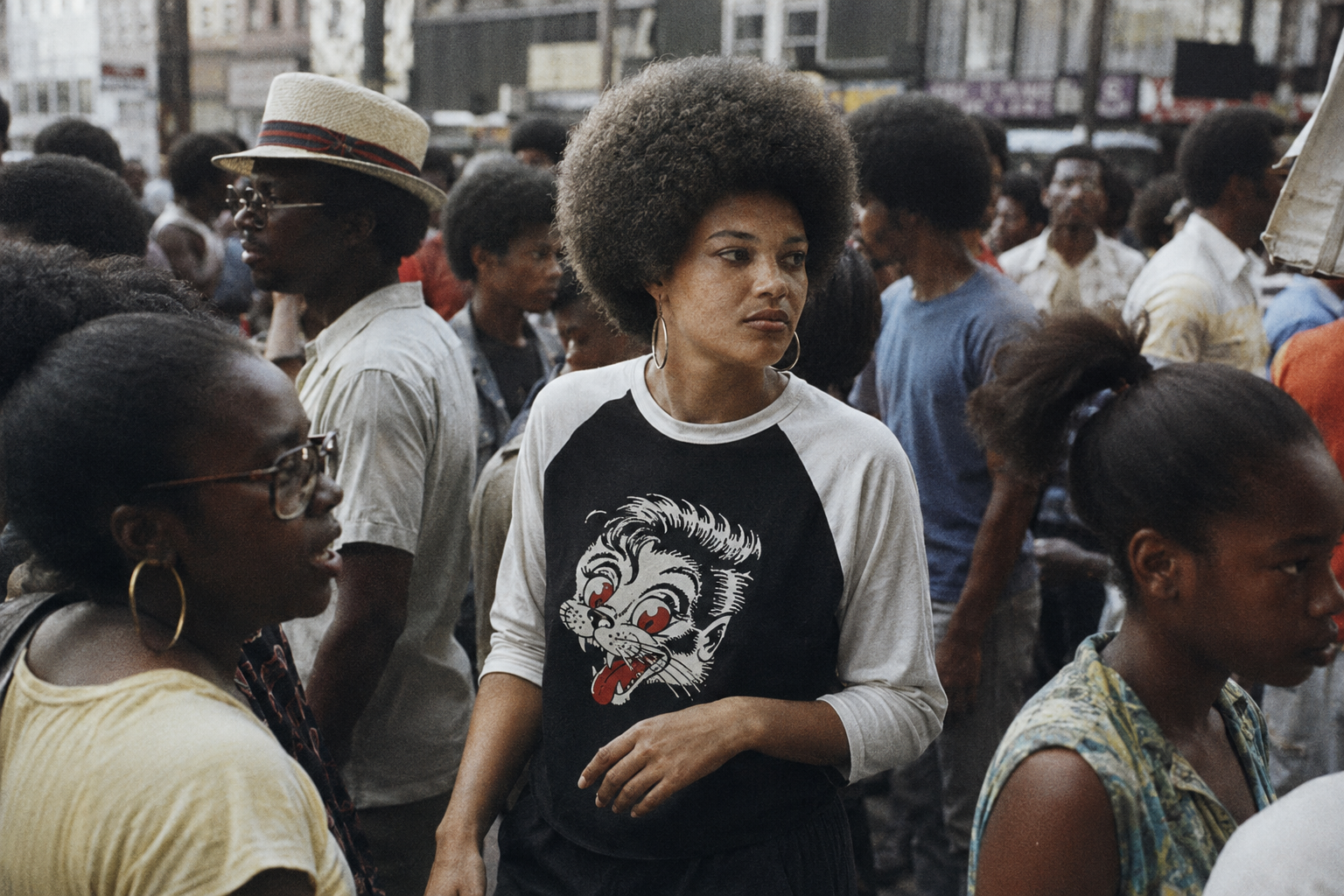
Women appeared in artwork as fierce, self-possessed figures while also directing programs centered on food, health, education, housing, and survival.

The Eyeshot photographic essay similarly emphasizes collective leadership and service, including political education, newspaper distribution, health initiatives, free food, and schools. Together, these records challenge the idea that the movement can be understood through its most famous male figures alone.
Lady Panther
Art, Survival, And A New Political Image
The Unisex Lady Panther Raglan T Shirt honors the women who made art, developed political ideas, served communities, held leadership positions, and sustained the movement through collective work.